
L’homme armé doibt on doubter.
On a fait partout crier
Que chascun se viegne armer
D’un haubregon de fer.
L’homme armé doibt on doubter.
The armed man should be feared.
Everywhere it has been proclaimed
That each man shall arm himself
With a coat of iron mail.
The armed man should be feared.
French song from the mid 15th century
The works of this project are building towards an exhibition: The Armed Man. Works by Noel Counihan, Bernard Heisig, Peter Lyssiotis and Monica Oppen
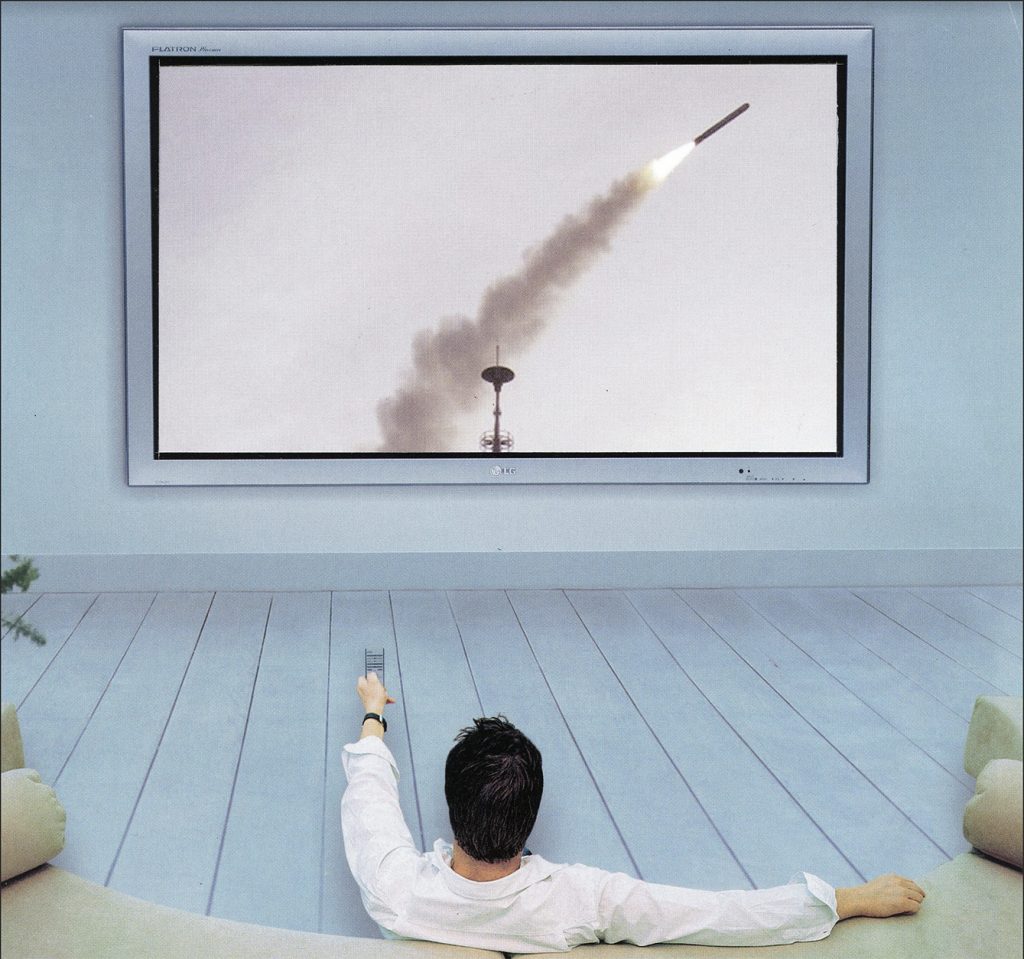
What is peace? Is peace the absence of war? Is there such a thing as absence of war? How do we talk about peace without dropping into clichés and meaningless symbols?
I and the public know
What all schoolchildren learn,
Those to whom evil is done
Do evil in return.
― Auden
War has been the constant companion of the European vision from deep time, and has spread through the colonial expansion project. It has steadily become more brutal, more technical. Borders, although we think of them as a periphery, are in fact a key place of dialogue and negotiation. When negotiations between nation states fail, border walls and war are an indication of this failure.
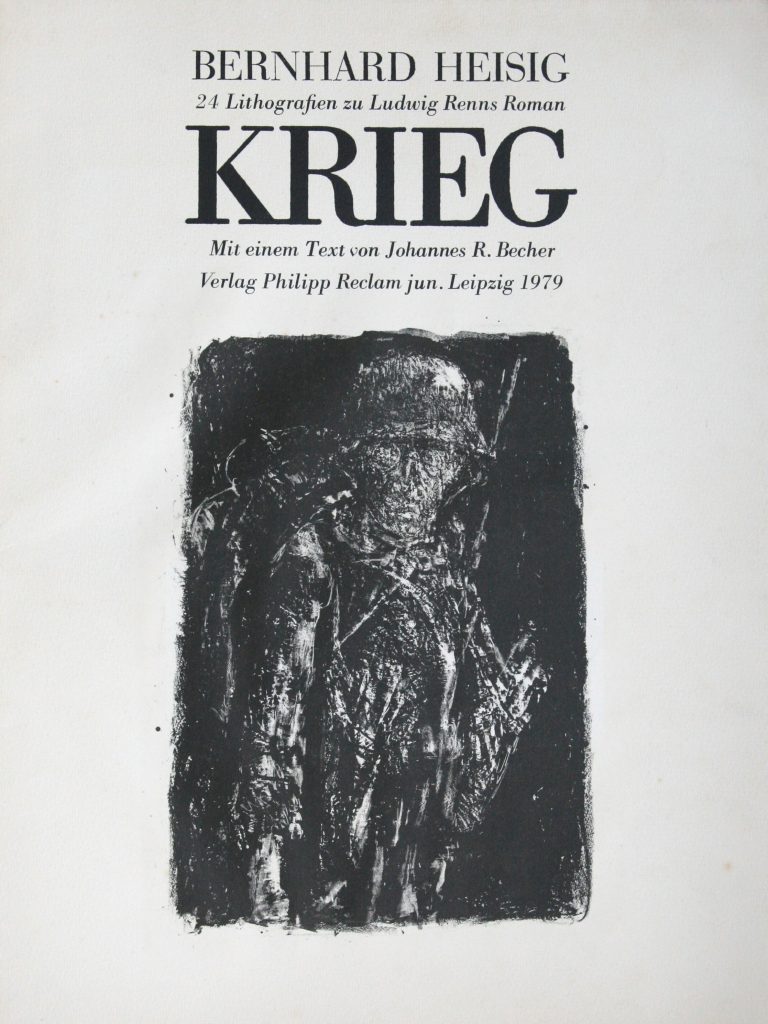
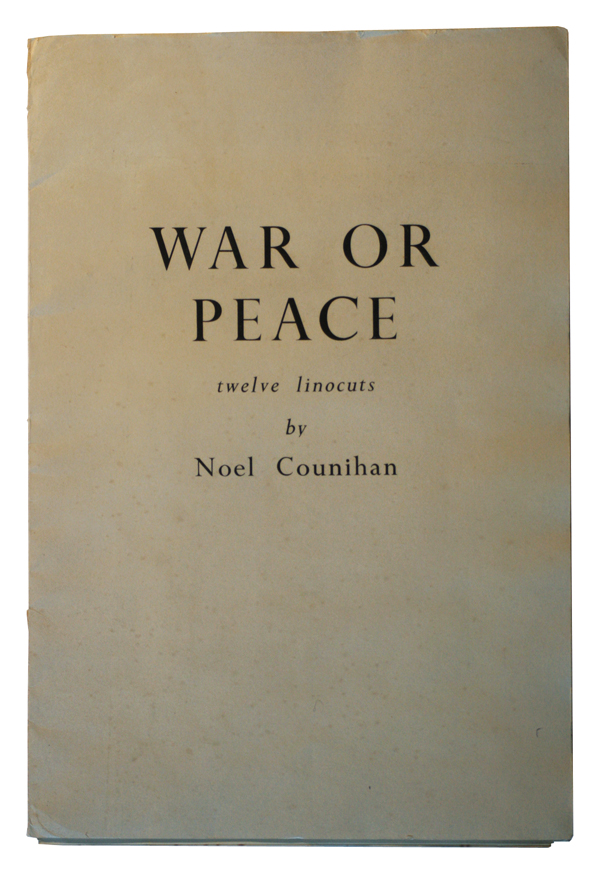
Print works are the basis of the exhibition with a springboard from the folio by Noel Counihan War or Peace and the folio by East German artist Bernard Heisig Krieg (War). There is a dialogue between image and text. The collection of poems, Peace is our Answer by Jack Lindsay was a response to Counihan’s folio. Heisig’s folio was a response to the novel by Ludwig Renn of the same name Krieg. We respond to these works and to the recent history of conflict.
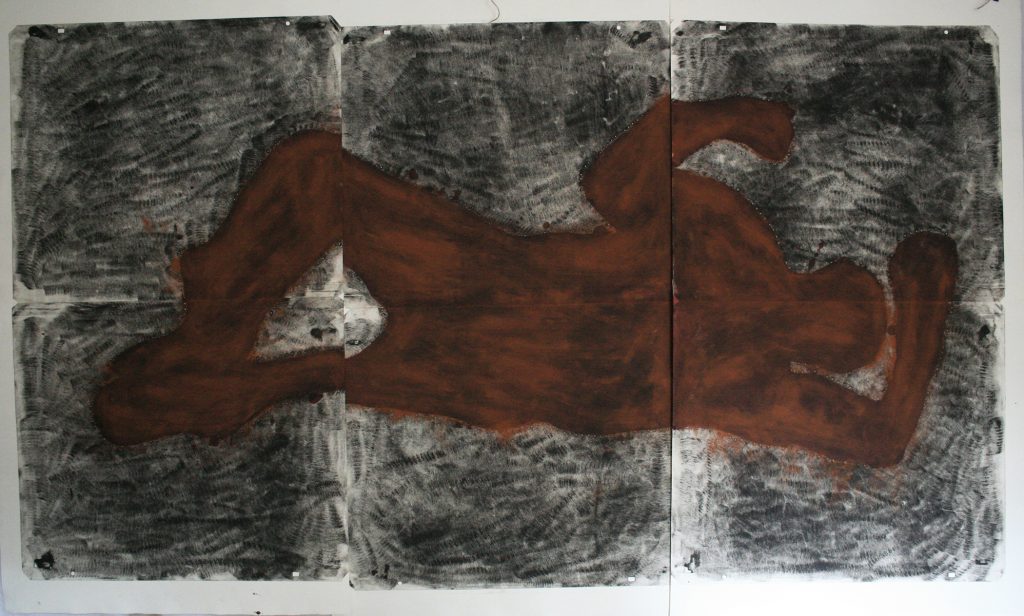
Out beyond ideas of wrongdoing
and rightdoing there is a field.
I’ll meet you there.
― Rumi